17th February 2026 –
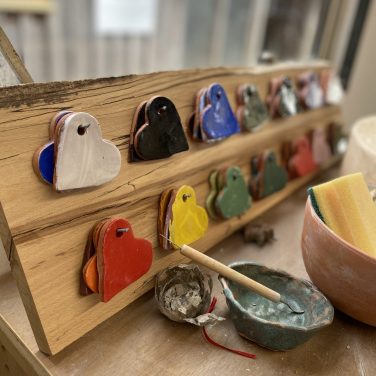
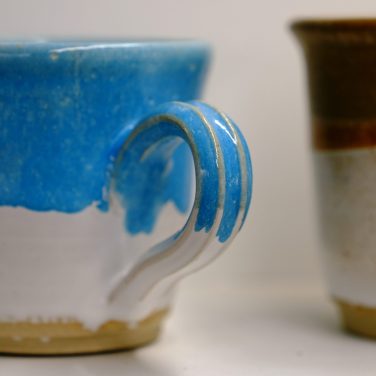
Visitors to LandWorks on the Dartington estate are regularly tempted ̶by the colourful array of ceramics available for sale in the shop, many of them crafted by the trainees and graduates at the resettlement charity.
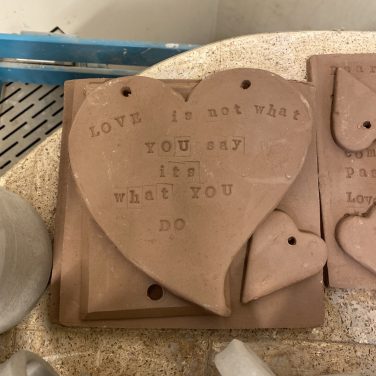
In fact, clay has been baked into the story of LandWorks almost from the outset. In 2016, trainees, staff and volunteers built the project’s cob wall and timeline, each person marking their involvement by crafting a personal clay tile – a tradition that continues. The following year, funding from Arts Council England and LandWorks supporters enabled the creation of a dedicated pottery studio where trainees could learn practical skills, develop confidence and contribute to the organisation’s social enterprise.
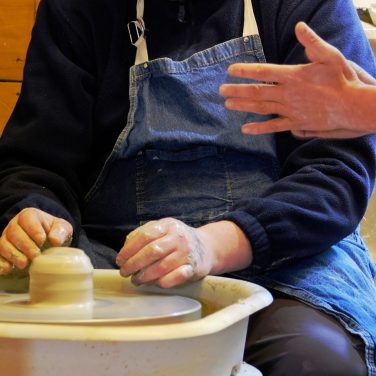
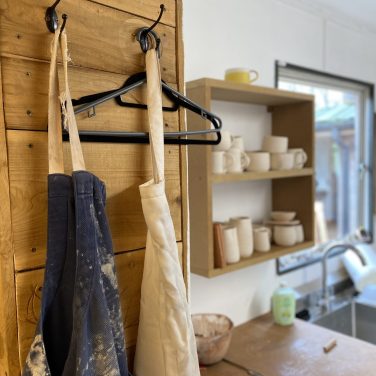
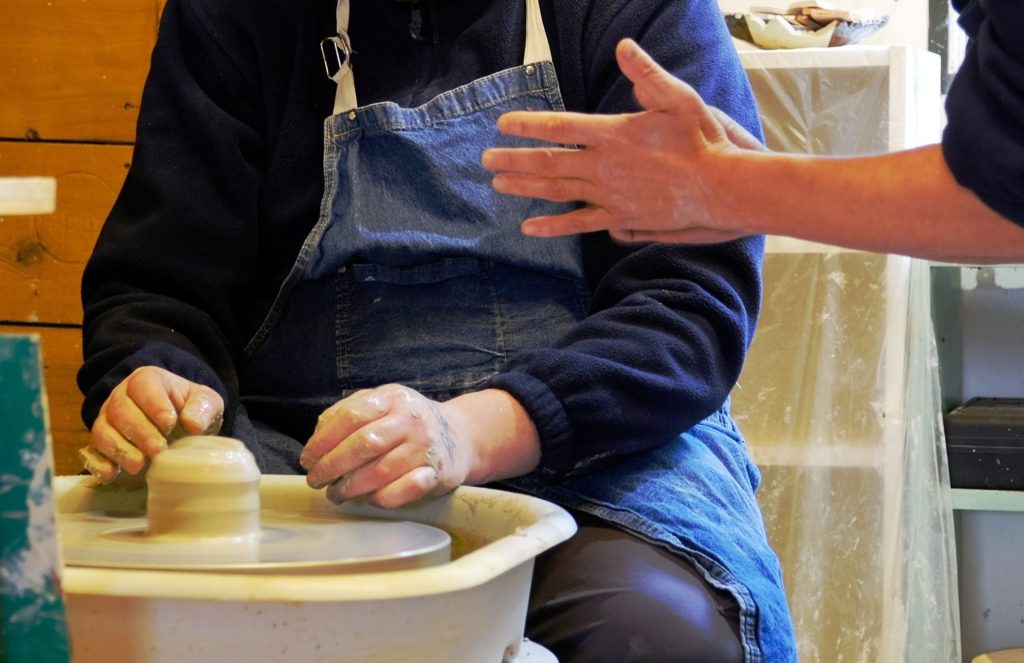
Today, with an electric kiln, two throwing wheels and a recently installed and much-needed indoor sink – funded by a generous £250 donation from the Totnes Women’s Institute ̶ the studio is a busy hub of creativity and, for some, a turning point.
Pottery and Art Lead Julia Toy joined LandWorks two years ago. With a background in fine art and sculpture, teacher training at Goldsmiths, and years spent working with young offenders and children with SEND, she brings both artistic skill and therapeutic insight. “Working at LandWorks ties together so many of my own interests and previous experiences,” she says.
Nobody is required to take part in pottery, although everyone is invited to have a try. “I’m very conscious that having a blank canvas can be quite intimidating, so I try to make it playful,” she reveals. Trainees often begin with simple items for the shop, such as soap dishes, incense burners, and key rings. Using stamps, simple forms and gentle encouragement, those who insist they are “not creative” often surprise themselves. “You see them light up,” she says. Seeing their work for sale brings real pride, while personal pieces ̶ gifts for children, parents or partners ̶ carry meaning far beyond the studio.
A messy, tactile and grounding experience
Just as significant are the therapeutic benefits of the process. “Working with clay is a messy, tactile and grounding experience,” Julia explains. The sensory nature of the material can calm the nervous system and sharpen focus, particularly on the wheel, where concentration is essential. The cycle of shaping, drying, firing and glazing cannot be hurried, teaching patience and resilience. Julia recalls a trainee who made a plaque for the hospital that had saved his life; when it cracked in the kiln, she lay awake worrying. “But he was fine about it and we made another one,” she says. “These are good lessons for all of us.”
Engaging in creative work helps the trainees to process trauma and difficult emotions, improving their mental health and providing a sense of purpose. “The studio is a sanctuary – a safe, non-judgemental space,” explains Julia. “Pottery is about non-verbal communication, but as trust is built, conversations unfold.”
A personal journey for every trainee
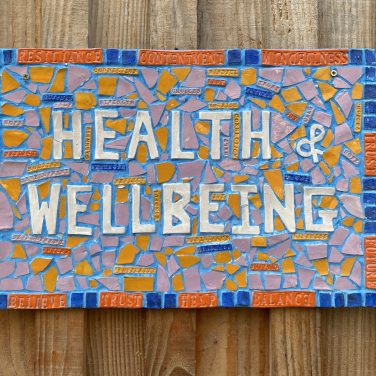
Deciding what to make and sell in the pottery is a team effort, but trainees are also encouraged to take ownership. One recent project arose out of discussions about how to make the market garden more visible to visitors during Supporters Day. “I suggested a bright mosaic sign, and a team conversation about the idea quickly evolved into a project for the entire site, which one of our trainees Chantal was keen to be involved with,” Julia explains. “The colourful mosaic plaques she created are so gorgeous and beautifully made that we are entering them into the Koestler Awards for artworks created by people in the criminal justice system.”
Chantal has since graduated, and Cherry has now taken on the mosaic plaque project. It was Cherry who also crafted the beautiful plant pot, containing a young oak, which was presented to HRH The Princess Royal during her recent visit to LandWorks. She is currently working with Julia on a project to incorporate her late partner’s ashes into the clay and glazes she will use to create a candle holder in his memory. Working with clay can be fun, but it can also be profound.
Among those who have discovered a natural talent for pottery at LandWorks is graduate Gary, now trading as “The One-Armed Potter.” Gary had never handled clay before attending LandWorks but over time, and with great perseverance, he developed a love for it. After leaving the programme, Gary established his own pottery in Cornwall. Today he supplies not only the LandWorks shop but studios across the southwest ̶ a powerful example of what can grow from tentative beginnings at the wheel. (You can read more about Gary’s story here.)
A broader canvas for 2026
All too aware of the power of art to help people express difficult emotions and make sense of past experiences, Julia is keen to broaden the studio’s creative offer beyond ceramics. With the new sink freeing up space, she plans to introduce painting and sculpture, encouraging trainees to try whatever medium feels right for them. Small canvases are on order, and she is looking forward to inviting people to “paint each other” as a way of building confidence and connection.
The pleasure of teamwork is evident in the studio’s seasonal projects: at Christmas, it buzzed with lino cutting and potato printing as trainees worked side by side to produce handmade cards. Next on her list is a collaborative totem pole ̶ a shared artwork everyone at LandWorks can help shape.
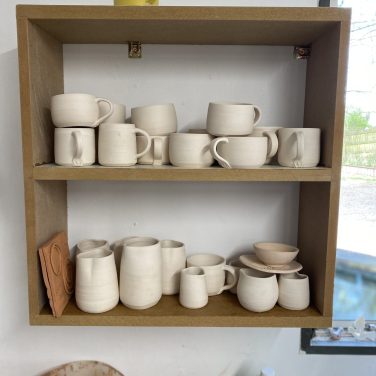
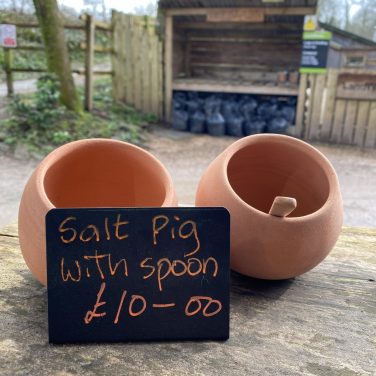
Visit the LandWorks Shop on the Dartington Estate (open 7 days a week) for a wide range of ceramic products and gifts, including mugs, jugs, plant pots, key rings, candle holders and more. All proceeds are invested back into the charity’s operations.